
My Memory Transformation Framework™
Businesses require frameworks upon which to weave the principles and values that define and guide not only how business is conducted but how its customers and clients are treated and cared for.

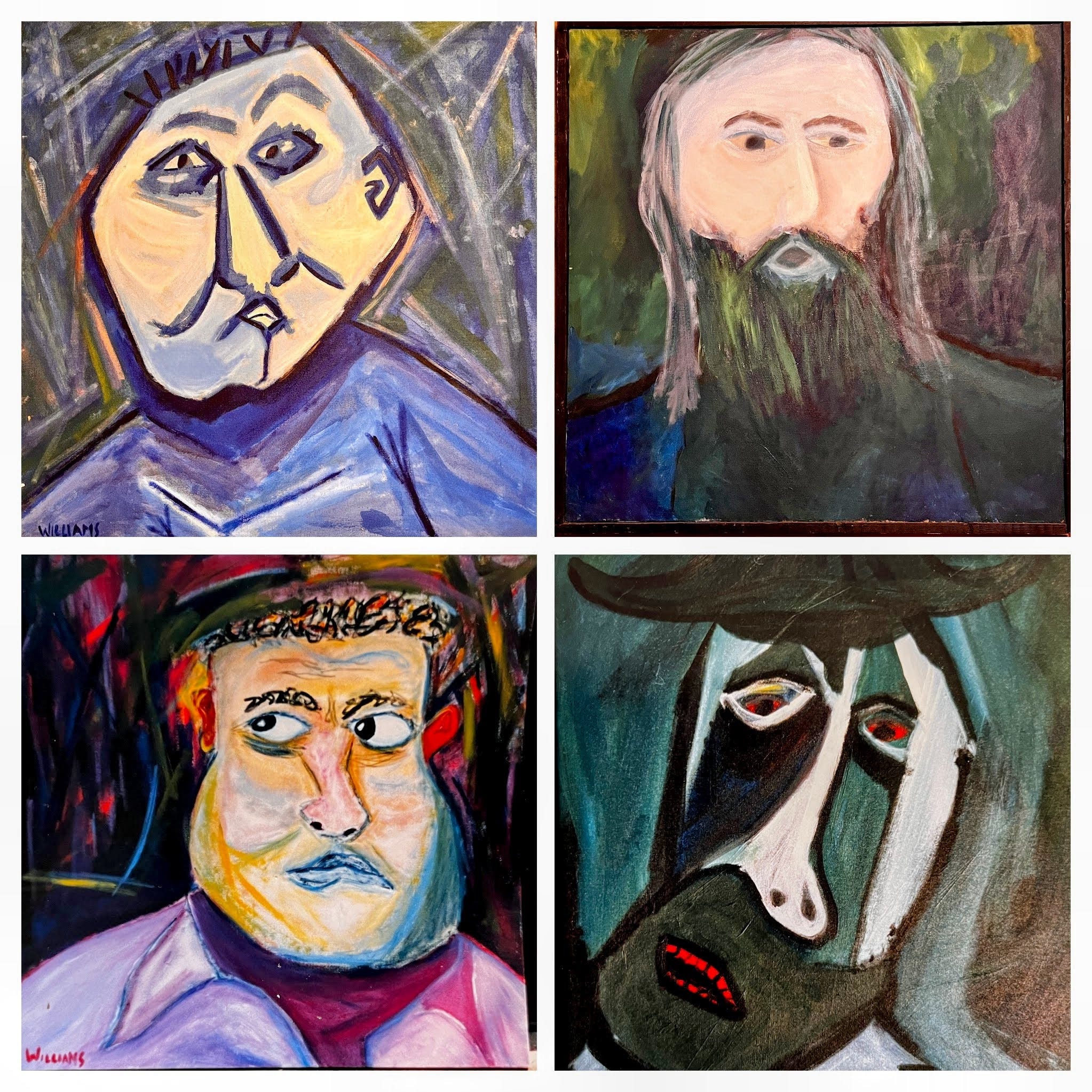
Back in the 80s when I was an art student at university, I would spend every spare moment I could in the art studio. The studio was my sanctuary, a safe place where I could be quiet, paint, and get lost in the process. The more I moved and shaped paint on my canvas, the deeper I went into my body, my feelings, and my thoughts. Often, an unexpected revelation would surface that deepened my understanding of myself and my creativity.
Lately, I’ve been thinking a lot about what people tell me after they have spent time in the Memoir Studio with one of my courses or in one of my online or in-person writing sessions. Again and again, I hear some version of the same surprising discovery: I didn’t expect the writing to take me there.
The “there” varies from person to person. For one writer, it may be a childhood room she has not thought about for years. For another, it may be a relationship that still carries tenderness, regret, or sorrow. Someone else may begin with a moment that once seemed ordinary, only to find, in the act of writing, that it marked a quiet turning point in her life. This is one gift of memoir writing. When we give patient attention to our lives, we often discover that they hold more meaning than we first imagined.
It takes courage to look back. I don’t mean the loud or heroic kind of courage, but the quieter courage of sitting with a memory long enough to let it speak. Most people don’t arrive at memoir writing with everything figured out. They may not know where to begin, what shape the story should take, or whether their memories are too scattered, too painful, too ordinary, or too unfinished to become anything meaningful on the page. So we begin gently, not with the pressure to produce a finished story, but with one memory, then another, and eventually with the questions and feelings that begin to gather around them.
This is why I think of memoir writing as more than a writing practice. It’s a way of listening to your life. For some people, the writing may eventually become a book. For others, it may become a gift for children or grandchildren. For others still, it may remain in the privacy of a notebook or journal, having done its quiet work there. All of those paths are worthy. What matters most to me is not whether the writing leads to publication, but whether it helps you listen more truthfully to your own experience.
Students often tell me that the work feels healing. I use that word carefully. Memoir writing is not therapy, and I am not a therapist in this context. But I do believe reflective writing can be therapeutic. It can help us gather what has felt scattered, notice patterns we had not seen before, soften toward younger versions of ourselves, and place old experiences inside a larger story. Sometimes it can even help us set something down.
Writing prompts can be useful. I use them frequently. They help us begin. But a prompt on its own is rarely enough for the deeper work of memoir. The more meaningful writing usually asks for time, care, and a kind of inner honesty. It may invite us toward rooms we have avoided (like my “Seven Rooms of Memoir” course), though not all at once, not without support, and not before we are ready.
This is why I believe memoir writing needs a container and a sense of safety. It needs structure, but not rigidity. It needs enough guidance to help us keep going and enough freedom to let the writing surprise us. This is the spirit behind what I am calling The Memoir Studio Memory Transformation Framework™.
